
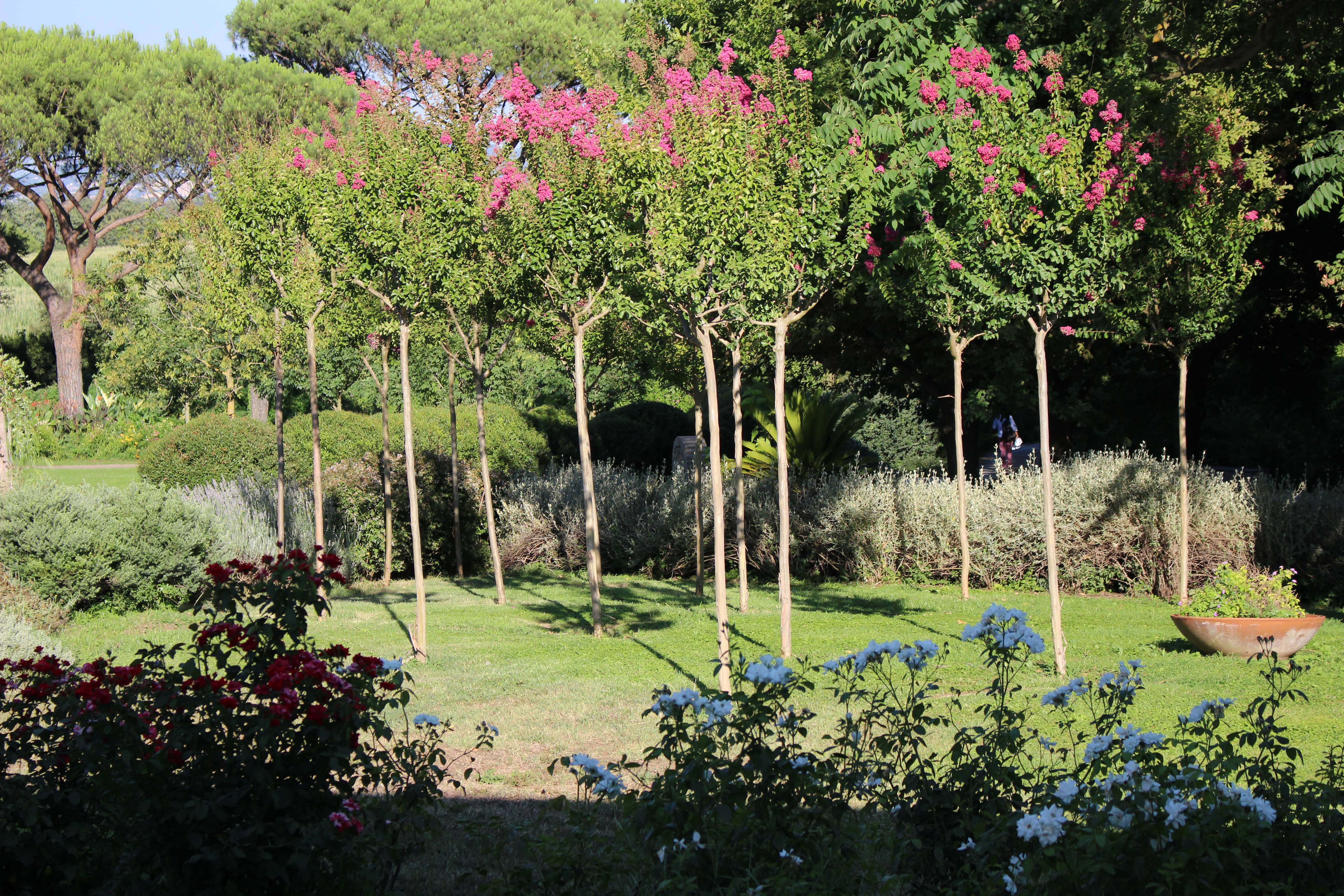
From community orchards to street planting schemes, from guerrilla gardening to forest gardens, the choice for what type of project to set up is broad and very much depends on the needs of the local community, the resources available and the type of land you plan to work on.
Different models for community growing:
City farms Can involve both growing plants and keeping animals. Often larger and more extensive than community gardens or other community growing spaces.
Community gardens Can be used for a number of purposes, including food growing, wildlife gardening and horticultural therapy.
Allotments Plots are rented by an individual for growing food. Traditionally owned by the local authority, new allotment sites are increasingly being set up by other landowners, e.g. private individuals, businesses, charitable trusts and farmers.
Community orchards As well as providing fruit and a green haven for the local community, many community orchards are excellent wildlife habitats.
Abundance/fruit harvesting schemes These schemes aim to make better use of neglected local fruit and nut trees by organising volunteers to harvest the fruit.
Community Supported Agriculture A social enterprise idea, based on a direct, active partnership between farmers (or a growing project) and the local community.
Forest gardening A low-maintenance sustainable system based on woodland ecosystems, incorporating fruit and nut trees, shrubs, herbs, vines and perennial vegetables which have yields directly useful to humans.
Garden-share schemes The schemes match and introduce committed, enthusiastic growers with local garden owners who want to see their gardens being used more productively.
Public plantings in streets and communal areasTraditionally flowers and shrubs have been used, but a growing number of schemes are turning to vegetable and fruit growing.
Guerrilla gardening A type of direct action where gardeners identify a disused, neglected or abandoned piece of land , which they do not own, and use it to grow either crops, flowering plants or to create wildlife areas.
Meanwhile gardening The temporary use of land for gardening and food growing. The land may be targeted for further development but can be turned into a garden while the community is waiting.
There are no rigid rules about how to start up a community growing group, as each one is created by a unique community with unique needs. At some point you will have a small number of people who share your enthusiasm and are prepared to put in some time and effort to generate further interest. At this stage you will need to have a broad idea of what you want to do, what the benefits will be and the need for the type of project you are planning in your area. Your group needs to be clear about the proposed idea, so that you can explain it to others. Don’t forget that there will already be established groups based in your community, composed of people who may be willing to become part of your group, or perhaps give advice and put you in touch with others who may be interested in joining you.
You might also want to consider the following:
• What are the aims of your group and what do you want to achieve?
• What benefits to the community will there be?
• Where will the group operate and what is its geographical area?
Reaching out to the communityReach out and find others to join in. Once have an idea of what you want to do and what kind of organisation you want to be you will need to reach out and find others to join in to help set up the group. You can then begin the process of community consultation, to attract more volunteers and develop your ideas further by:
• Advertising locally through - libraries, village/town halls, community centres, post offices etc
• Setting up an online presence, such as a Facebook page
• Distributing leaflets in the community
• Contacting your local newspaper or radio station to do a story about your plans
• Door to door enquiries
• Speaking with local councillors and other community leaders
• Giving talks about your proposal to local groups in your community
Once there is a group willing to give time and energy to the project, you can start to take the process further. At this stage, consider arranging a visit to another community garden or consider going on further training with Gardeniser training.
